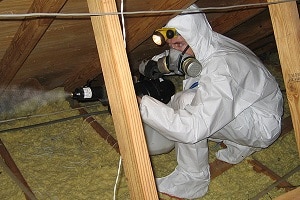
Biohazard and Gross Filth Cleaning in Connecticut
Not every dirty house is a biohazard job. Here is roughly how we sort them, so you can work out where yours sits.
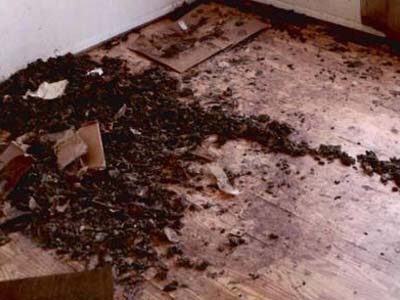
Level One: Heavy Soil
Grime, old food, dust and pests, but nothing soaked into the building. Deep cleaning and sanitizing handle it. Materials usually stay.
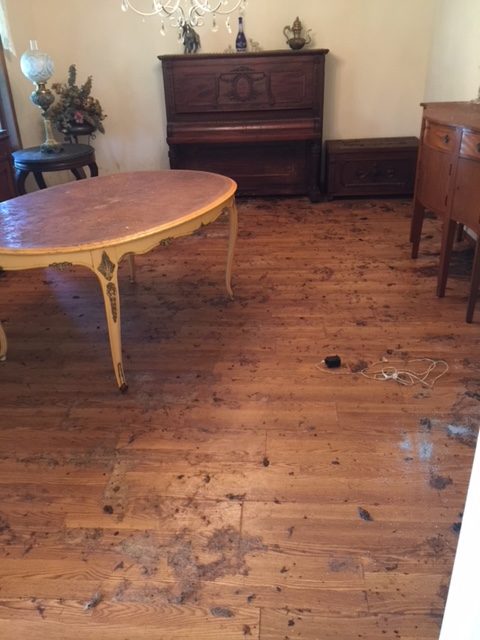
Level Two: Contamination In The Materials
Animal urine into carpet padding. A leak that ran for months. Waste that reached the subfloor. Now the building itself is holding the problem, and cleaning the surface accomplishes nothing.
Carpet and padding come out. Sometimes subfloor and the lower few inches of wall. This is the most common level we meet in hoarded homes.
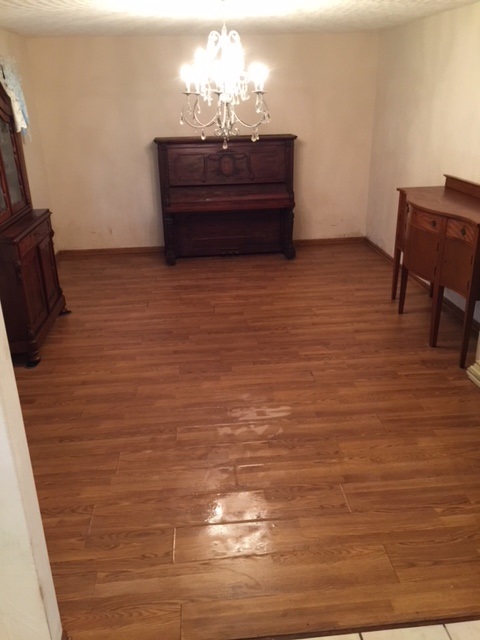
Level Three: Genuine Health Hazard
Sewage backup. A bathroom that stopped working some time ago. Heavy rodent infestation where the droppings are themselves the hazard. Serious mold growth.
Respirators, full protective gear, controlled removal and licensed disposal. This is not a cleaning job and should never be treated as one.
How We Actually Work
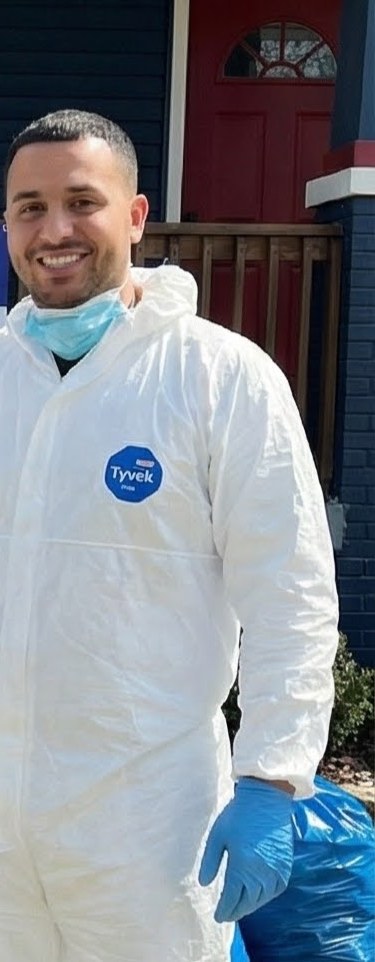
Gear matched to what is present. Contaminated material leaves first, because that is where the risk and the smell both live. Hard surfaces cleaned and disinfected. The air itself treated. The worst surfaces sealed so nothing works its way back out months later.
Everything contaminated is bagged, labeled and disposed of under Connecticut regulation, with records kept.
Damp Cellars Are The Local Problem
Nearly every older Connecticut house has one, and fieldstone and block foundations breathe moisture.
Add a humid summer, stacked cardboard and no airflow because the room is packed, and mold appears on box undersides, behind furniture against exterior walls, and inside carpet padding where nobody has looked in years.
We find mold in a large share of the homes we clear here. Sometimes it is surface growth we can treat. Sometimes materials come out. We will tell you which, and we will not inflate it to sell you work.
Why Smells Come Back For Other Companies
Odor lives in materials, not in air. Padding, subfloor, plaster and insulation absorb it and release it slowly for years. Spray or paint over it and nothing has changed, because the source never moved.
Take out the source, disinfect, treat the air, seal what needs sealing. That is the entire difference.
Please Do Not Take This On Yourself
People try and end up in the emergency room. Ammonia and mold spores damage lungs. Needles and glass hide in piles. Moisture-weakened floors give way.
We would far rather assess it for free than have an injury be the reason you finally called.