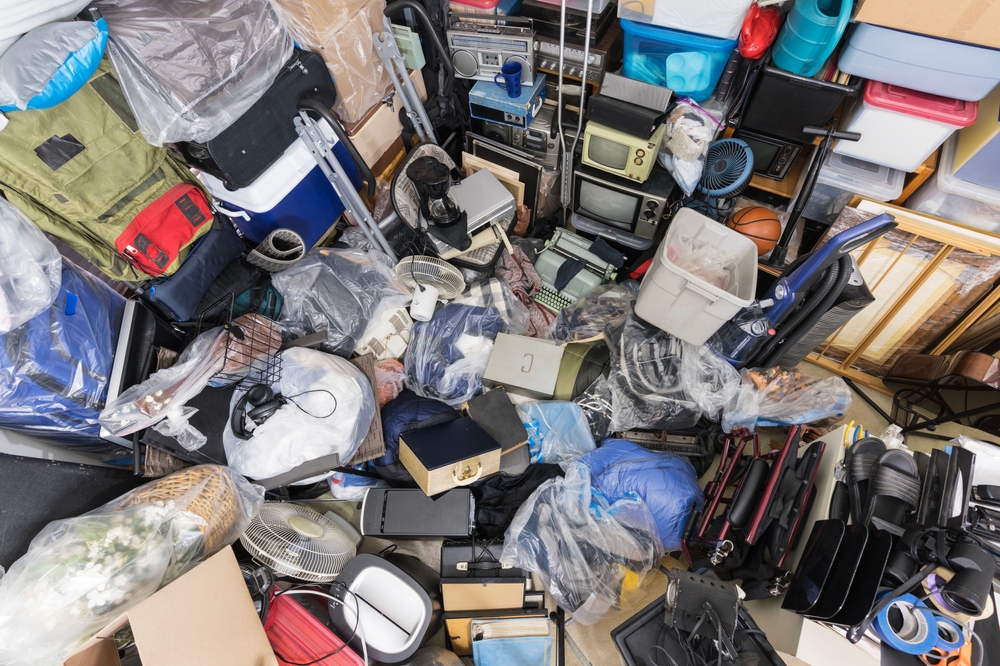
Hoarding Cleanup Services Across Connecticut
The hard part already happened. You looked at the house honestly and decided to do something about it. The rest is our job.

What Actually Happens
We come and look. Free, and there is no catch. We check the volume, look for safety problems like blocked exits or a soft floor, and hand you a written number before we leave.
You set the terms. Every box opened and sorted, or the whole place emptied by a closing date. Both are normal requests.
The crew works. Unmarked vehicles. One room at a time, so the house never feels torn apart all at once. Your keepers get boxed and labeled. Good items go to Connecticut charities. The rest is hauled away.
We clean what was underneath. Floors, walls, and whatever the piles were hiding. Odor gets treated at its source, not sprayed over.
You inspect before we go. Anything wrong gets fixed that day.
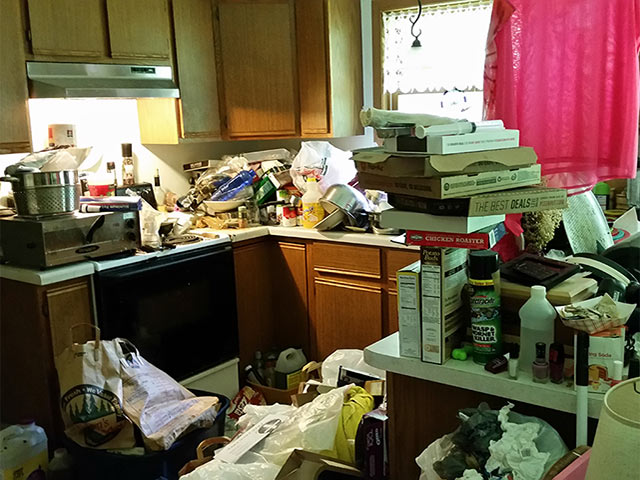
The Jobs We Take On
- Whole-house cleanouts. Every room, floor to ceiling, planned over several days.
- Single rooms. A spare bedroom or garage that quietly became storage. Often one day.
- Gross filth. Rot, waste, insects. Our own trained crews, never subcontracted.
- Animal waste. Ammonia gets genuinely dangerous and subfloor usually has to come out.
- Old New England houses. Plaster walls, narrow stairs, and cellars that were never meant for storage.
- Attics and barns. Two hundred years of a family in some of these towns.
- Condo and apartment units. Tight access, shared hallways, and neighbors we would rather not involve.
- Code cases. Give us the town’s deadline and we will tell you honestly whether it is reachable.
Why It Builds Up
Hoarding is a recognized condition. It is not laziness and it is not a housekeeping failure. The brain treats ordinary objects as though letting them go carries real risk, so nothing leaves. Do that for ten years and a house fills.
It almost always starts with something specific. A death. A diagnosis. An injury that made bending impossible. A stretch of depression nobody around the person noticed.
That is why clearing a house behind someone’s back rarely holds. The house gets clear, the trust does not survive, and within a year the piles are back. We sort alongside people wherever they will let us.
A Few Things Particular To Connecticut
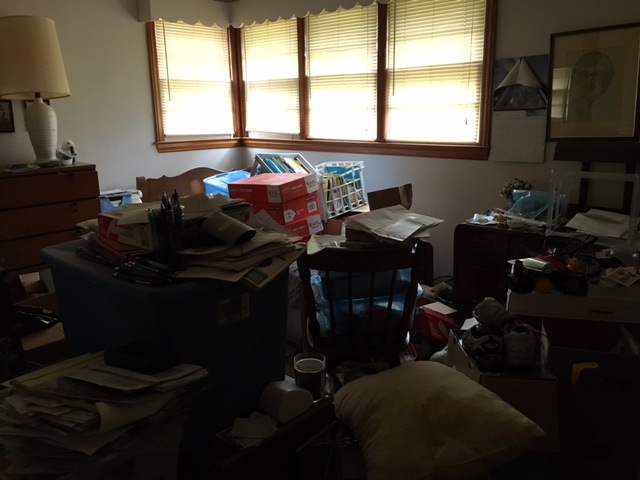
Old houses. A lot of this state’s housing stock predates 1940. Plaster and lath, horsehair insulation, knob and tube wiring in places. A crew that has only worked on newer homes can do real damage hauling furniture through them. Ours have not.
Cellars. New England basements are damp by nature. Cardboard stored down there for a decade is usually ruined and often moldy before anyone looks.
Winter. Blocked vents and boxes stacked near a furnace turn from untidy into dangerous once January arrives. A lot of our winter calls come from worried adult children rather than the homeowner.
Density. In Bridgeport, New Haven and Hartford the neighbors are close. Discretion is not a nicety here, it is the whole job.
Where Everything Goes
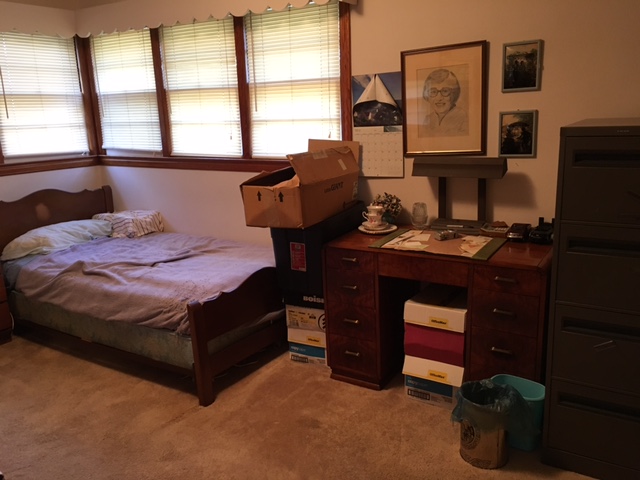
Keepers boxed, labeled and left where you can reach them. Good furniture and clothing to Connecticut charities, with a receipt in your name. Papers with account numbers shredded rather than dumped where anyone could read them. Paint, chemicals and propane routed to proper disposal, because household trash is neither legal nor safe for those.
If The House Belongs To Someone Else
Please read this part twice. Showing up with a dumpster and an ultimatum is the surest way to make everything worse. We have cleared houses twice because a well-meaning family tried that first.
Bring us in before the confrontation. Let the person meet us. Hearing from someone outside the family that nobody came to shame them changes the room, and resistance that has held for years often eases within an hour.